Artist profile
JayakanthanTamil Screenwriter – Movies List & Song Lyrics
ஜெயகாந்தன்
About Jayakanthan
- பிறப்பு · Born
- 24 Apr 1934, Cuddalore
- மறைவு · Died
- 8 Apr 2015
ஜெயகாந்தன் (Jayakanthan, 24 ஏப்ரல் 1934 – 8 ஏப்ரல் 2015) தமிழ் எழுத்தாளர்களில் ஒருவர். இந்தியாவில் இலக்கியத்திற்காக வழங்கப்படும் உயரிய விருதான ஞானபீட விருதைப் பெற்ற இரண்டாவது தமிழ் எழுத்தாளர். இவருடைய படைப்பிலக்கியக் களம் சிறுகதைகள், புதினங்கள், கட்டுரைகள், திரைப்படங்கள் எனப் பரந்து இருக்கின்றது.
மேலும் படிக்க › சுருக்கு ‹
ஜெயகாந்தன் அவர்கள் 1934-ஆம் ஆண்டு கடலூர் மாவட்டம் மஞ்சகுப்பத்தில் ஒரு விவசாய குடும்பத்தில் தண்டபாணி பிள்ளை–மகாலெட்சுமி ஆகியோருக்கு மகனாகப் பிறந்தார்..
இவரது இயற்பெயர் முருகானந்தம் பள்ளிப்படிப்பில் நாட்டம் இல்லாமையால் ஐந்தாம் வகுப்பிலேயே பள்ளி வாழ்க்கைக்கு முற்றுப் புள்ளி வைத்தார்.
அதன் பிறகு இவர் உலகியல் அனுபவம் (வெளியுலக அனுபவம்) பெறவேண்டி வீட்டை விட்டு வெளியேறி தனது மாமாவின் ஊரான விழுப்புரத்திற்கு சென்றார்.
அங்கு அவர் மாமாவின் மேற்பார்வையில் வளர்ந்தபோது ஜெயகாந்தனுக்கு பொதுவுடைமைக் கோட்பாடுகளுக்கும் பாரதியாரின் கவிநயமிக்க எழுத்துக்கள் மற்றும் புரட்சிகரமான அரசியல் கருத்துகள் உடை சொற்றுடைகள் கற்பிக்கபட்டது.
அதுவே பின்னாளில் ஜெயகாந்தன் மக்கள் புகழ் பெற்ற பொதுவுடமை பேச்சாளராகவும், எழுத்தாளராகவும், அவரது அரசியல் பொது வாழ்வை தீர்மானித்த இடதுசாரி சிந்தனையுள்ள பொதுவுடமைக் கட்சி தலைவராகவும் மாற்றியது.
ஜெயகாந்தன் சில ஆண்டுகள் விழுப்புரத்தில் வாழ்ந்த பின் சென்னைக்குக் குடிபெயர்ந்தார். அங்குப் பெரும்பாலான நேரத்தை சி.பி.ஐ-யின் ஜனசக்தி அலுவலக அச்சகத்தில் பணிபுரிந்தும், ஜனசக்தி இதழ்கள் விற்றும் கழித்தார். 1949-ஆம் ஆண்டு சி. பி. ஐ மீதும் அதன் உறுப்பினர்கள் மீதும் தடை விதிக்கப்பட்டது. ஆதலால் சில மாதங்கள், தஞ்சையில் காலணிகள் விற்கும் கடை ஒன்றில் பணிபுரிந்தார். இந்த எதிர்பாராத இடைவேளை இவர் வாழ்க்கையில் முதன்மையான காலகட்டமாக அமைந்தது. சிந்திக்கவும் எழுதவும் அப்பொழுது நேரம் கிடைத்தது. இக்காலகட்டத்தில், தமிழ்நாட்டில் முக்கிய அரசியல் மாற்றங்களும் நேர்ந்தன. தி.மு.க., தி.க. -வின் வளர்ச்சியால், சி.பி.ஐ மெதுவாக மறையத் துவங்கியது. உட்கட்சிப் பூசல்களினாலும், கட்சியுடன் ஏற்பட்ட கருத்து வேறுபாடுகளினாலும், ஜெயகாந்தன் சி.பி.ஐ-யிலிருந்து விலகினார். பின்னர் காமராசருடைய தீவிரத் தொண்டனாக மாறித் தமிழகக் காங்கிரஸ் கட்சியில் சேர்ந்தார்.
ஜெயகாந்தனின் இலக்கிய வாழ்க்கை 1950களில் தொடங்கியது - சரஸ்வதி, தாமரை, கிராம ஊழியன், ஆனந்த விகடன் போன்ற ஏடுகளில் இவரது படைப்புகள் வெளியாயின. படைப்புகளுக்குப் புகழும் அங்கீகாரமும் கிடைத்தன. இருபதாம் நூற்றாண்டின் தலைசிறந்த தமிழ் எழுத்தாளர்களில் ஒருவராகப் போற்றப் பெற்றார். ஜெயகாந்தன் சில ஆண்டுகள், தமிழ்த் திரையுலகிலும் வலம் வந்தார். இவரது நாவல்களான "உன்னைப் போல் ஒருவன்", "சில நேரங்களில் சில மனிதர்கள்" ஆகியவை படமாக்கப்பட்டன. இதில் "உன்னைப் போல் ஒருவன்" சிறந்த மாநில மொழித் திரைப்படத்திற்கான குடியரசுத் தலைவர் விருதில் மூன்றாம் விருதைப் பெற்றது.
ஜெயகாந்தன் இதழ்கள் சிலவற்றிற்கு ஆசிரியராக இருந்தார். அவை:
"ஜெயகாந்தன், எத்தகைய பாத்திரங்களைப் படைத்தாலும் அந்தப் பாத்திரங்களின் சிறந்த அம்சங்களைக் குறிப்பிடத் தவறுவதில்லை. துவேஷத்தைப் பரப்புவது, அவருடைய இயல்புக்குச் சற்றும் ஒவ்வாதது. அவர் அரசியலில் தொடர்ந்து பங்கு பெறாமல் போனதற்கு இதுகூட காரணமாக இருந்திருக்கலாம்" - அசோகமித்திரன்
"மனதைக் கிள்ளி மோகலாகிரியைத் தூவும் சொற்கள் பல தமிழில் உண்டு. ‘ஜெயகாந்தன்’ என்ற பெயரே அப்படிப்பட்டதுதான். இந்தப் பெயர் அறிமுகமாகி என்னளவில் நாற்பத்தைந்து வருடங்களாவது இருக்கும். ஆனாலும், இந்தப் பெயர் தரும் கவர்ச்சியும், அதன் மீதான பிரேமையும் அப்படியே இருக்கின்றன. யதார்த்தத்தின் மற்றொரு பெயர் ‘தத்ரூபம்’ என்றால், ஜெயகாந்தனின் கதைகள் எல்லாம் அவ்வளவு தத்ரூபமாக இருந்தன. ஜெயகாந்தன் என்ற மேதாவிலாசமிக்க படைப்பாளியின் ஊற்றுக்கண் எங்கே இருந்து புறப்படுகிறது என்று அனுமானிப்பது கடினம். நதிமூலம், ரிஷிமூலம் தேடுகிற மாதிரியான சமாச்சாரம்தான் இது. என்றாலும், ஜெயகாந்தனே தன்னைப் புதுமைப்பித்தனின் வாரிசு என்பதுபோல் ஒரு சந்தர்ப்பத்தில் குறிப்பிட்டது ஞாபகத்துக்கு வருகிறது. இதுதான் நிஜமும். " - வண்ணநிலவன்
"பாரதியார் வாழ்ந்த காலங்களில் கௌரவிக்கப்பட்டதில்லை. லியோ டால்ஸ்டாய் நோபல் பெறாதவர். போர்ஹே நோபல் பரிசுக்கு சிபாரிசு செய்யப்பட்டு நிராகரிக்கப்பட்டவர். விருதும் கௌரவமும் சரியான நேரத்தில், சரியான நபருக்கு, சரியான அமைப்புகளால் வழங்கப்படுவது ஒரு போதும் நிகழ்வதில்லை. அதற்காக விருதுகளால் மட்டுமே எழுத்தாளர்கள் கௌரவம் அடைவதுமில்லை. ஜெயகாந்தன் எல்லா விருதுகளுக்கும் தகுதியானவர். எல்லா விருதுகளைத் தாண்டியும் மிகுந்த ஆளுமையும் உயர்வும், தனித்துவமும் கொண்டவர்." - எஸ். ராமகிருஷ்ணன்
" ஜெயகாந்தன் ஒரு நீராவி என்ஜின் போல ஆற்றலும் வேகமும் கொண்ட படைப்பாளி என்பதில் சற்றும் சந்தேகமில்லை. ஆனால் நீராவி என்ஜின்கள் கடந்த காலத்தின் அடையாளம். " - மாலன்
" ஜெயகாந்தனின் கதாபாத்திரங்கள் கொஞ்சம் அதிகமாகப் பேசுபவை என்ற விமர்சனம் உண்டு. பல புனைவுகளில் அது ஜெயகாந்தனின் குரலாகவும் ஒலித்தது. சமூகப் பார்வையும் மனித நேயமும் ஜெயகாந்தனின் புனைவுகளின் ஆனாமாவாக இருக்கின்றன." - சுப்பிரமணி இரமேஷ்
எழுத்தாளர் ஜெயமோகன் தனது முன்னோடிகள் விமர்சன வரிசையில், மண்ணும் மரபும் எனும் நூலில் ஜெயகாந்தனின் படைப்புலகை குறித்து விவாதித்துள்ளார். மேலும் சில கட்டுரைகளை அவரது தளத்தில் எழுதியுள்ளார். விமர்சகர் எம். வேதசகாயகுமார் தனது முனைவர் பட்ட ஆய்வை புதுமைப்பித்தனும் ஜெயகாந்தனும் ஓர் ஒப்பாய்வு எனும் நூலாக்கியுள்ளார். 2009ல் முனைவர்.ஜெயந்தஸ்ரீ பாலகிருஷ்ணன் ஜெயகாந்தனின் குறுநாவல்களில் ஆய்வு செய்துள்ளார். ஜெயகாந்தன் இலக்கியத்தடம், ஜெயகாந்தன் ஒரு பார்வை ஆகிய நூல்களை முறையே ப.கிருஷ்ணசாமி, கே.எஸ்.சுப்ரமணியன் ஆகியோர் எழுதியுள்ளனர்.
ரவிசுப்பிரமணியன் எல்லைகளை விஸ்தரித்த எழுத்து கலைஞன் என்ற பேரில் ஒரு ஆவணப்படம் எடுத்துள்ளார். ஜெயகாந்தனின் மறைவிற்கு பிறகு அவர் பற்றி எழுத்தாளர்கள் ஆற்றிய உரைகளும் தொகுக்கப்பட்ட நூல்களும் முக்கியமானவை.
ஜெயகாந்தன் 08.04.2015 அன்று இரவு 9.00 மணிக்கு உடல்நலக்குறைவால் சென்னையில் காலமானார்.
D. Jayakanthan (24 April 1934 – 8 April 2015), popularly known as JK, was an Indian writer, journalist, orator, filmmaker, critic and activist. Born in Cuddalore, he dropped out of school at the age of 9 and went to Madras, where he joined the Communist Party of India. In a career spanning six decades, he authored around 40 novels, 200 short stories, apart from two autobiographies. Outside literature, he made two films. In addition, four of his other novels were adapted into films by others.
Read full biography › Show less ‹
Jayakanthan's literary honours include Jnanpith and Sahitya Akademi awards. He was also a recipient of Padma Bhushan (2009), India's third-highest civilian honour, the Soviet Land Nehru Award (1978), and the Russian government's Order of Friendship (2011).
Jayakanthan was born in 1934 into a family of agriculturists in Manjakuppam, a suburb of Cuddalore, a part of the South Arcot District of the erstwhile Madras Presidency. Brought up by his mother and maternal uncles, he got interested in politics at a young age as his uncles were actively involved in it. As a child, he was highly inspired by the works of Subramania Bharati. Jayakanthan dropped himself out of school after completing fifth grade, as he thought studies would hinder his political activism.
In 1946, he left for Madras (now Chennai) in search of livelihood, where he performed odd jobs, before ending up as a compositor in the printing press of Communist Party of India (CPI). His association with the CPI, instilled the ideas of the movement, where he got to accompany leaders such as P. Jeevanandham, Baladandayutham and S. Ramakrishnan. The leaders of the party encouraged him to write. After graduating to an active member of the party, he got to learn about topics pertaining to world literature, culture, politics, economics and journalism. It was during this time, Jayakanthan started writing for pro-communist magazines. Over the next few years, he established himself as one of the top-most writers in the party. His early works were first published in the party newspaper Janasakthi, and soon other magazines like Sarasvathi, Thamarai, Santhi, Manithan, Sakthi and Samaran published his works. His early works focussed on the plight of slum-dwellers who were settled in and around the party office.
Jayakanthan wrote his first short story for a Tamil magazine titled Sowbakiyavathi, which got it published in 1953. Following early success, Jayakanthan started writing for mainstream magazines such as Ananda Vikatan, Kumudam and Dinamani Kadir, who published a number of short-stories particularly in the 1960s. In 1964, Jayakanthan entered films by co-producing and directing a venture titled Unnaipol Oruvan, based on his novel. The film focussed on the plight of slum-dwellers. Although a commercial failure, it won the President's Certificate of Merit for the Third Best Feature Film in 1965. The following year he made another film based on his namesake novel Yaarukkaga Azhudhaan which had Nagesh playing the lead role. His novel Sila Nerangalil Sila Manithargal (1970) won him the Sahitya Akademi Award (for Tamil) in 1972. Later this was adapted into a film of the same name by A. Bhimsingh, which won a National Film Award. Promoted by the film's success, Bhimsingh made one more film tilted Oru Nadigai Naadagam Paarkiral, based on his namesake novel.
In 2008, Ravisubramaniyan made a documentary film on Jayakanthan, the second of its kind, and was produced by Ilaiyaraaja. In 2011, Sila Nerangalil Sila Manithargal was adapted into a Malayalam television series Chila Nerangalil Chila Manushyar. In February 2014, Jayakanthan was admitted into a private hospital in Chennai following illness. Following a brief illness, he was discharged after a year, and died on 8 April 2015.
In 2017 his award-winning novel Oru Manithan Oru Veedu Oru Ulagam is being made as a feature film by award-winning filmmaker Kumar G. Venkatesh.
A musical tribute to Jayakanthan was released by Bava Chelladurai, Bharathi Baskar and Jeyamohan on 24 April 2023 as part of Jayakanthan's birthday celebration. Composer Raleigh Rajan selected three of Jayakanthan's poems and created the musical tribute sung by Sathyaprakash.
Jayakanthan was married to his cousin Gnanambikai, who worked as a primary school teacher. The couple had two daughters and a son - J Kadambari, J Jayasimhan, and J Deepalakshmi. Born in a family that had a lot of political activists, Jayakanthan became interested in politics at a young age. He became a strong supporter of the CPI ever since joining the party in the 1950s. He was coaxed to join politics by K. Baladhandayutham of the CPI. While he stood up against the Dravida Munnetra Kazhagam and its leaders for a majority of his lifetime, he supported the CPI leaders for "Nehruvian socialism" and had a great admiration Indira Gandhi. He quit the CPI, and later joined the Tamil Desiyak Katchi, founded by E. V. K. Sampath, before joining the Indian National Congress.
Despite his recognition and popularity as an exceptional Tamil author in multiple genres, Jayakanthan's entry into electoral politics did not end successfully. He contested the 1977 Tamil Nadu Legislative Assembly election, as an Independent candidate in the Theagaraya Nagar constituency and could poll only 481 votes (0.64%). He had remarked the Liberation Tigers of Tamil Eelam as a "fascist" organisation. This extremist view of Jayakanthan is resented by Sri Lankan Tamils, and attribute it to his knowledge deficit on the history of Sri Lankan Tamils.
A majority of Jayakanthan's works revolve around the lives of underclass people like rickshaw-pullers, prostitutes and rag-pickers. In an interview, he said that during his initial days in Chennai he spent his life amidst such people. This prompted him to develop a liking towards them.
Source: தமிழ் விக்கிப்பீடியா, Wikipedia · text licensed under CC BY-SA 4.0
Jayakanthan Movies List · திரைப்படங்கள் · 7
-
 1982
♪ 6
Ethanai Konam Ethanai Parvai
எத்தனை கோணம் எத்தனை பார்வை
-
 1978
Karunai Ullam
கருணை உள்ளம்
-
 1978
♪ 2
Oru Nadigai Natakam Parkiral
ஒரு நடிகை நாடகம் பார்க்கிறாள்
-
 1977
Sila Nerangalil Sila Manithargal
சில நேரங்களில் சில மனிதர்கள்
-
 1966
Yaarukkaga Azhudhaan
யாருக்காக அழுதான்
-
 1965
Unnaipol Oruvan
உன்னைப்போல் ஒருவன்
-
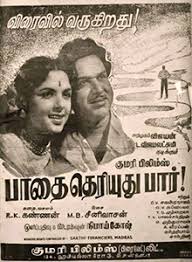 1960
♪ 6
Paadhai Theriyudhu Paar
பாதை தெரியுது பார்
Jayakanthan · Writer songs · 0
No song lyrics for Jayakanthan as writer yet.